Rei Meguro
I enjoy the art of over-engineering complex, fast things

Rei Meguro
I enjoy the art of over-engineering complex, fast things
About Me
I'm an ambitious Computer Science student who enjoys automating systems and workflows. I work
extensively with AI technologies (machine learning, LLMs, computer vision) as well as full-stack
development. I am also the author of Japan's strongest chess engine, Raphael.
Note: I am comfortable using LLMs as development tools, but I do not rely on unverified output. Any
LLM-generated code used during development is carefully reviewed and tested by me before being
included in a project.
Recent Blogs
Recent Projects
Click on the cards to visit project links

Raphael
Raphael is a chess engine written in C++ and is currently the 11th strongest chess engine in
the world.
It uses alpha-beta search with multiple enhancements, along with a quantized neural network
running on the CPU using SIMD intrinsics, trained on tens of millions of self-play games.
Onyx
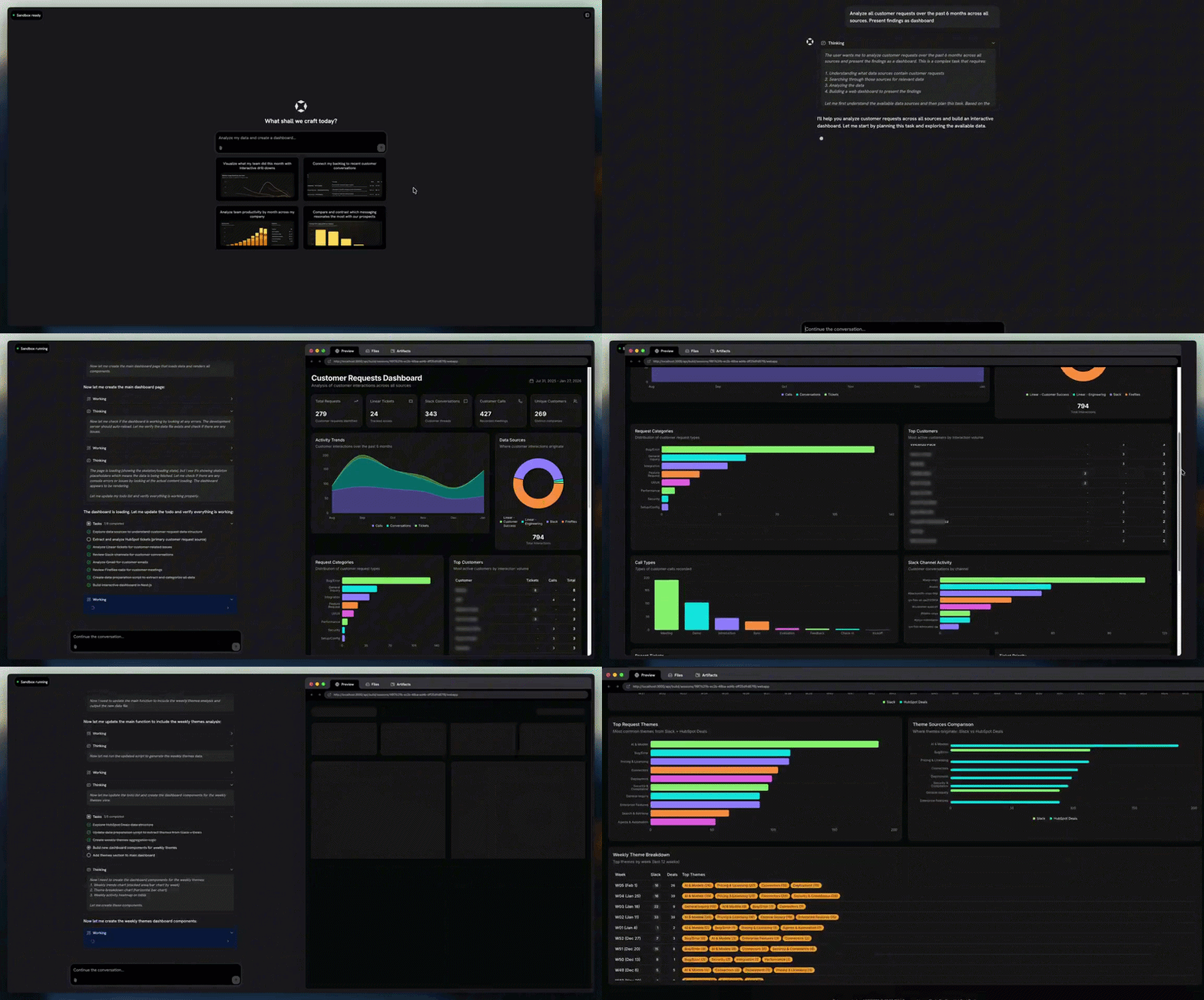
Onyx is an open-source AI platform that automatically ingests documents from connected
sources and uses deep research agents to answer questions or complete complex tasks.
I contributed to the development of the deep research agent and the knowledge graph indexing
and inference pipeline, eliminating OOM errors, improving fault tolerance, and tripling
indexing speed.
AdaPhish
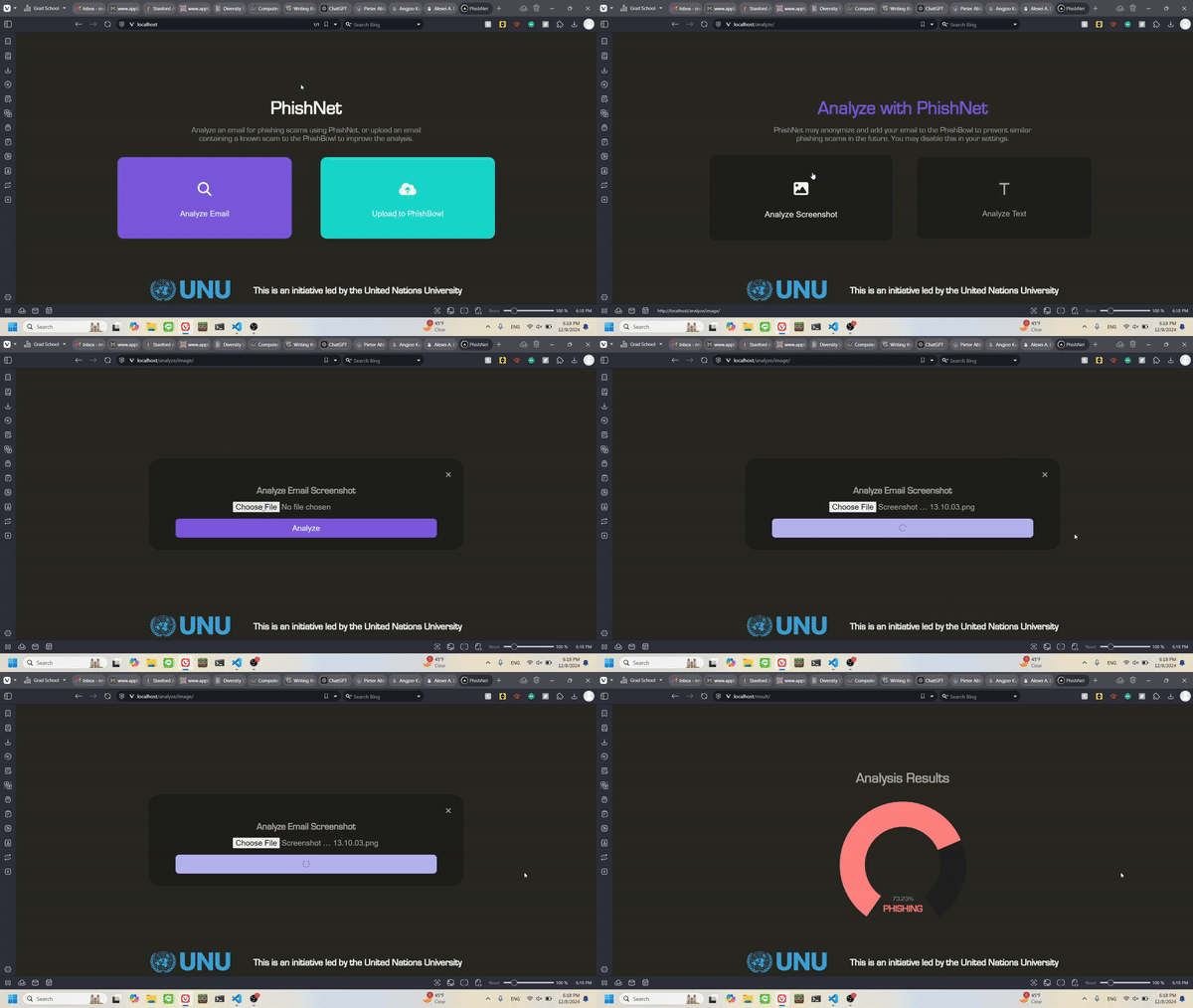
AdaPhish is an adaptive phishing detection and submission platform that learns attack
patterns over time using a vector store and RAG, built with Docker, FastAPI, Next.js, and
Nginx.
The project was published at the 4th IEEE ICAIC Conference and received the Best Paper
Award.
Kineval
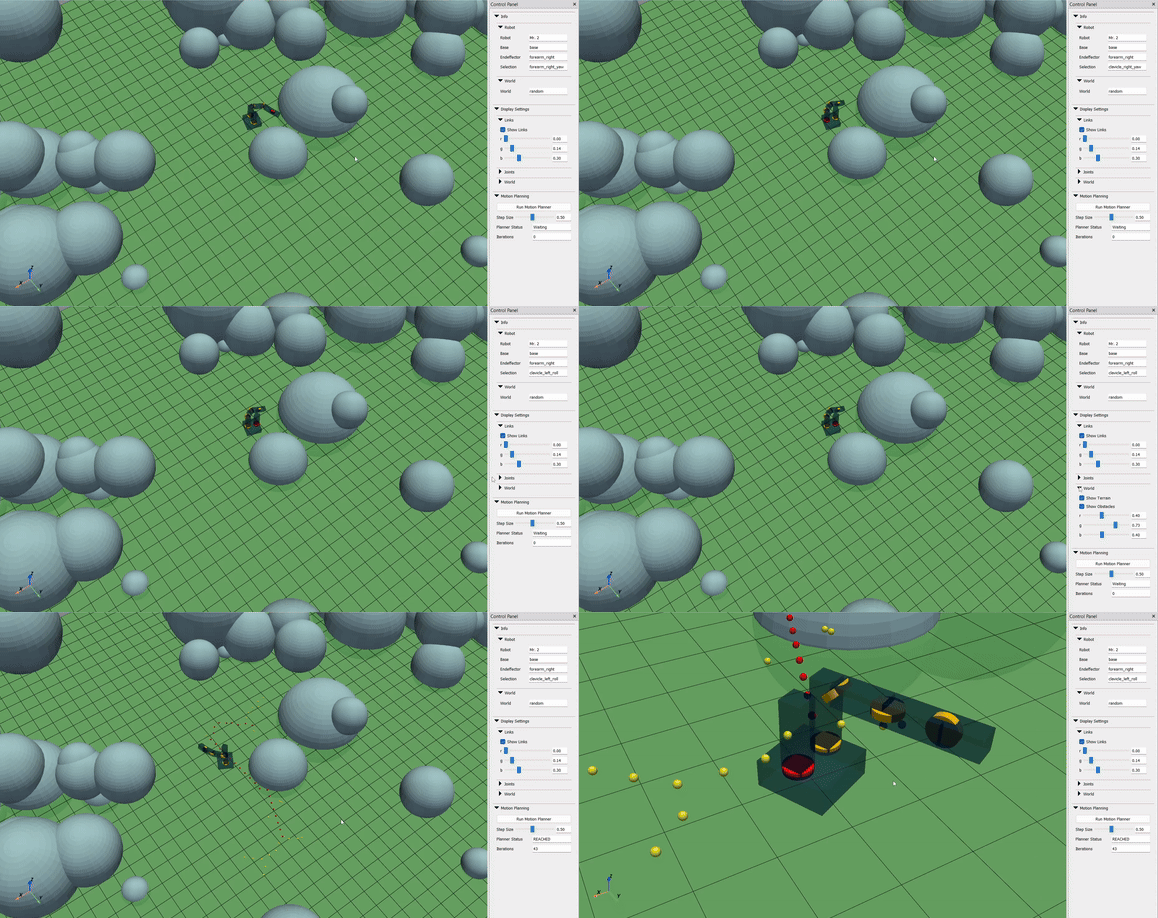
Kineval is a Python-based interactive learning tool for forward kinematics, inverse
kinematics, collision detection, and RRT motion planning.
It was developed for EECS 367 at the University of Michigan and is structured to allow
students to implement these algorithms themselves without needing to manage rendering or
other supporting systems.
RTD Toolkit
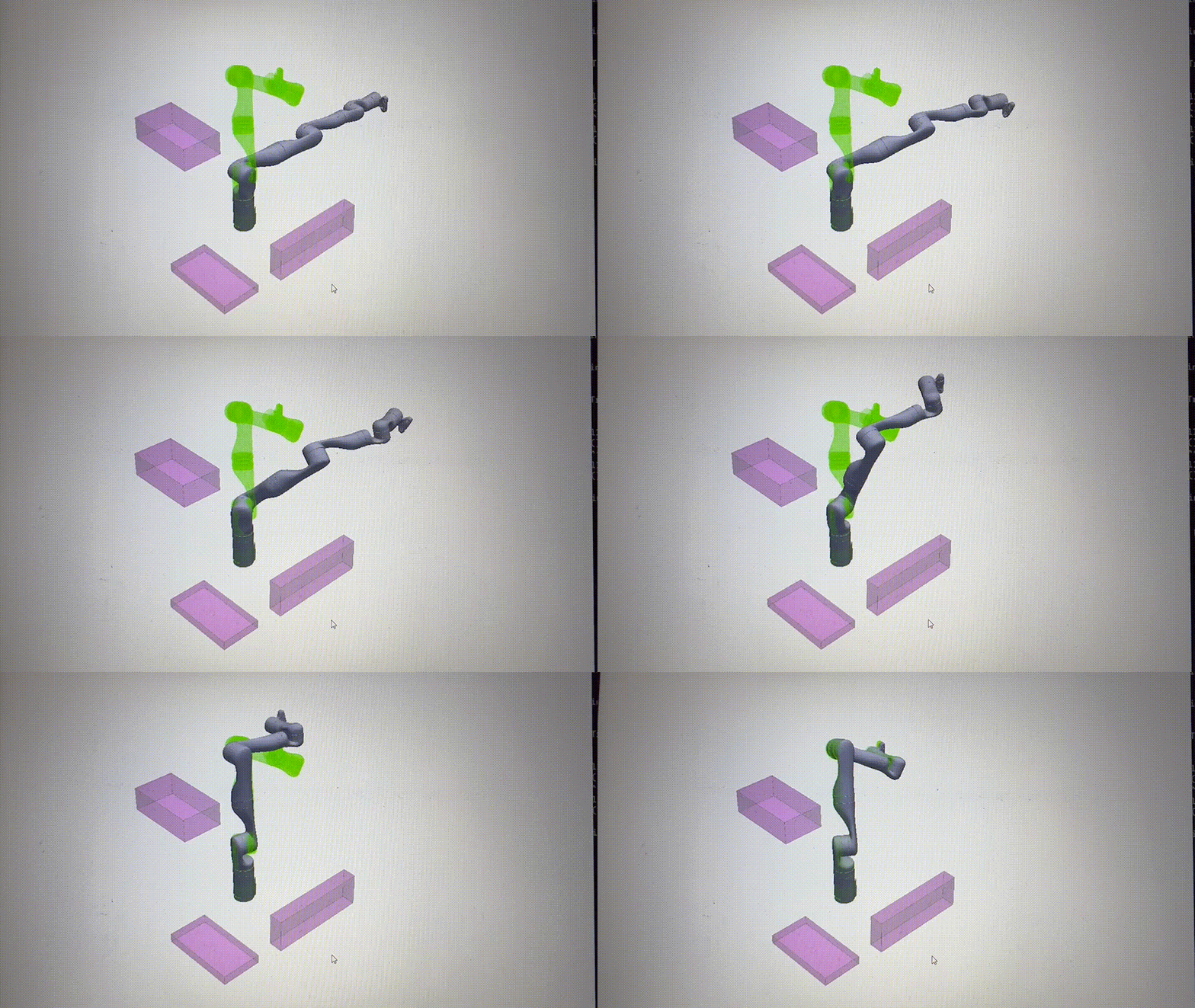
RTD, developed at the University of Michigan, enables provably safe motion planning while
accounting for uncertainty in measurements using polynomial zonotopes.
I worked for the ROAHM Lab to port the MATLAB implementation into a general-purpose Python
library, while also introducing performance optimizations and improving usability.
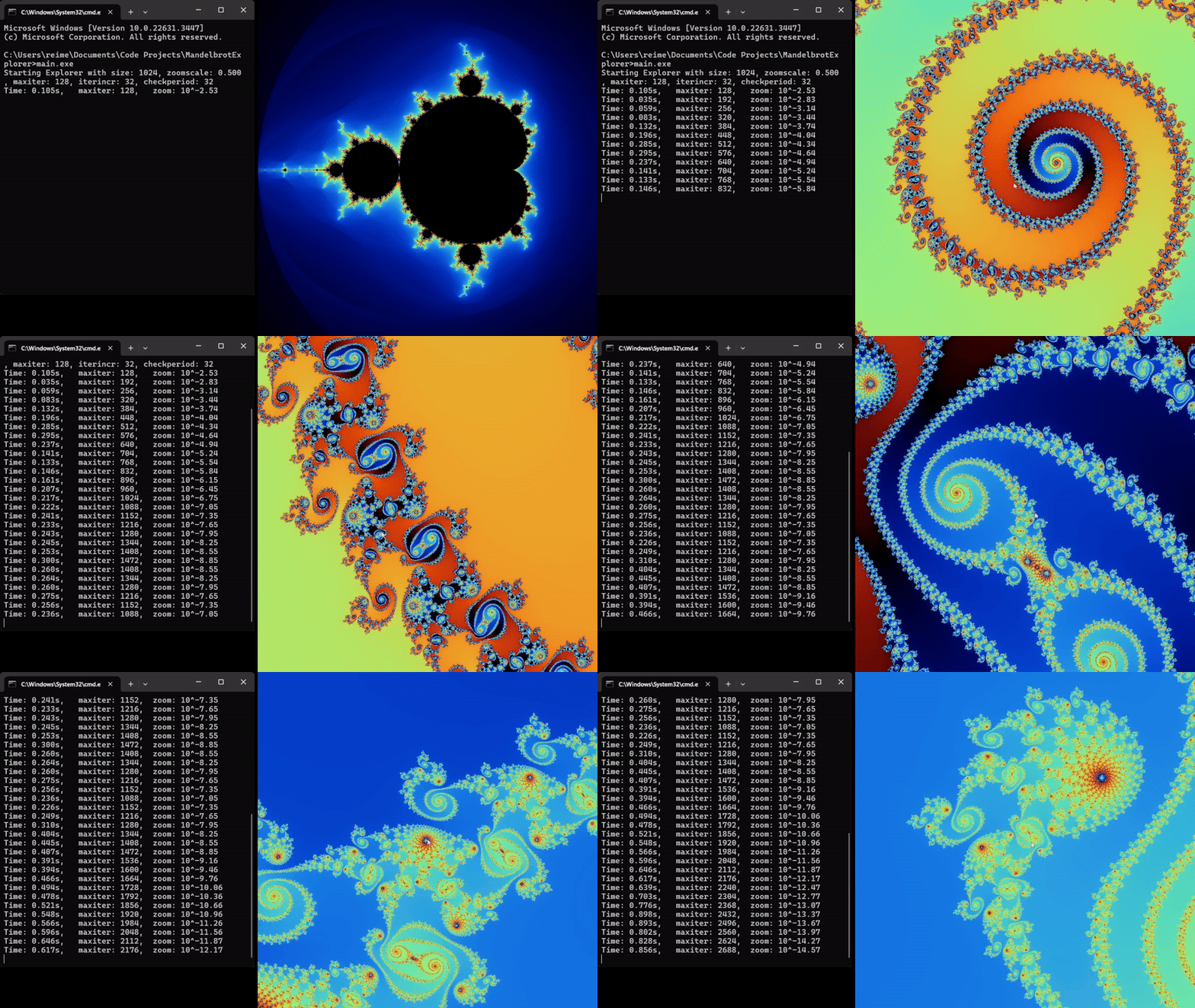
Mandelbrot Fractal Explorer
An interactive Mandelbrot fractal explorer written in C++ using SFML.
It uses thread pools to exploit the embarrassingly parallel nature of the computation,
enabling 1080p rendering and zoom levels up to 10^-16.
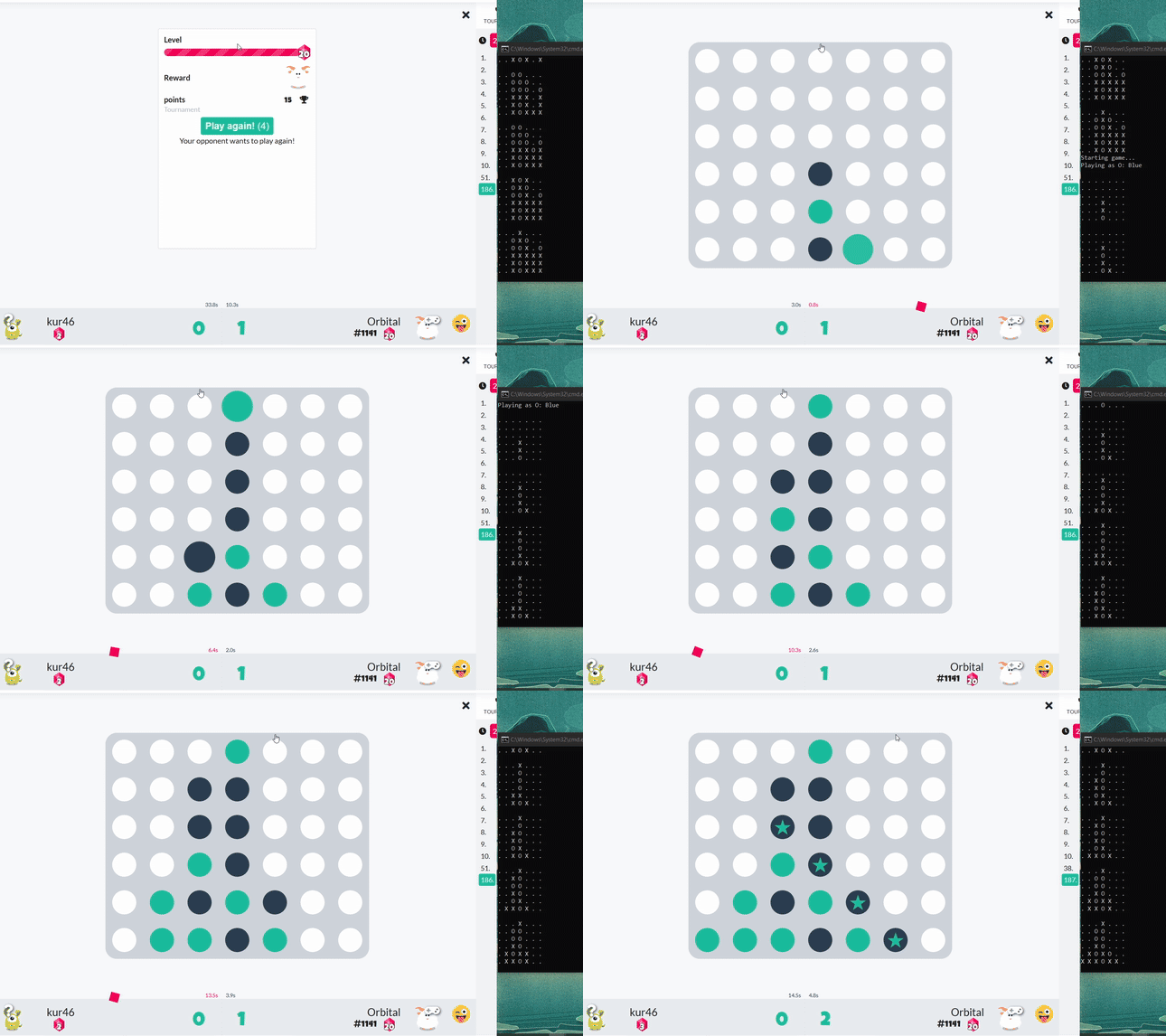
Nerd Wrecker: Connect 4
A fully automated multiplayer Connect 4 player.
The program uses alpha-beta search with bitboards to efficiently compute optimal moves, and
leverages PyAutoGUI to read game states and input moves through the graphical interface.
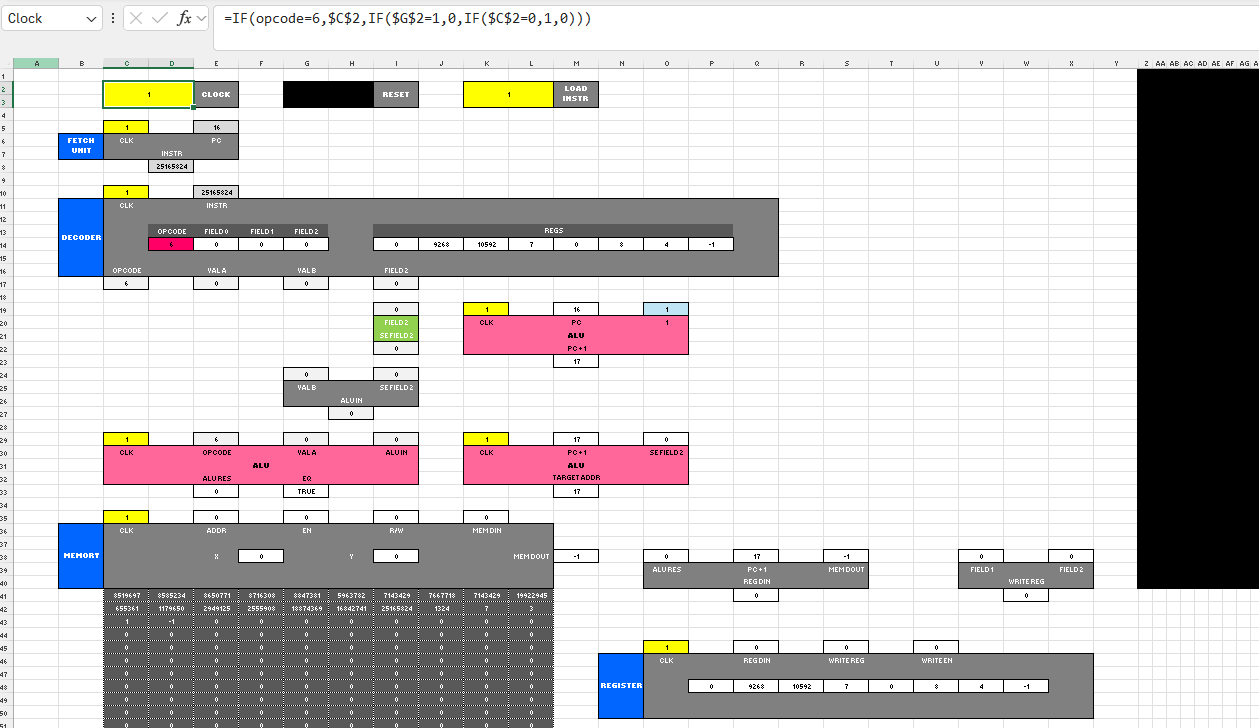
LC2K CPU Simulator
LC2K (Little Computer 2000) is a minimal instruction set architecture with eight
instructions, used in the University of Michigan EECS 370 Computer Organization course.
This project implements the LC2K CPU along with a memory-mapped display inside Excel, using
self-referencing cells to simulate the clock, registers, and memory.
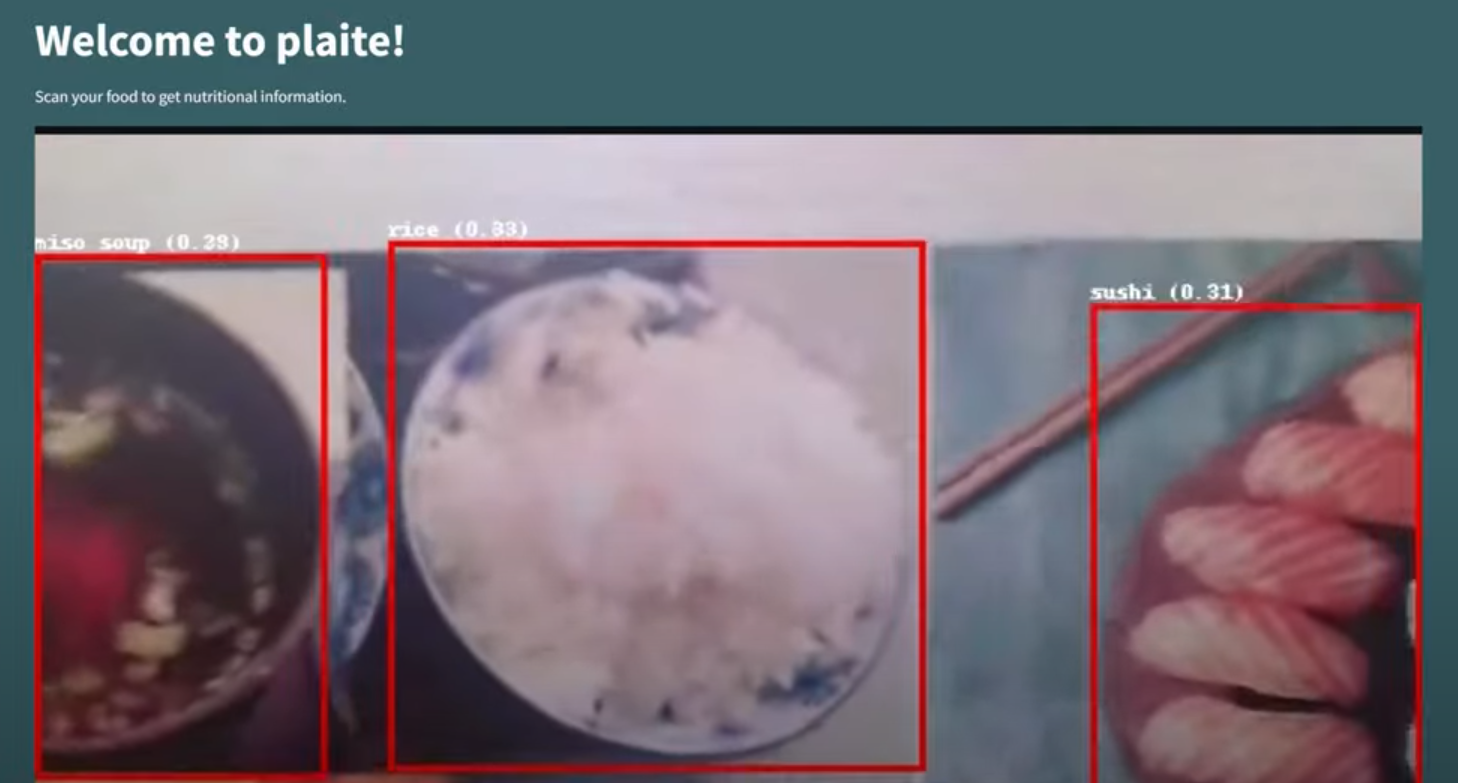
Plaite
Plaite is a nutrition tracking application that uses YOLOv8 for real-time food detection,
developed during the 24-hour MHacks 2024 hackathon. It also includes an LLM-based food
recommendation assistant.
The project received the Best Use of Intel AI Award.